Lesson 26: Review for Final Exam
Review:
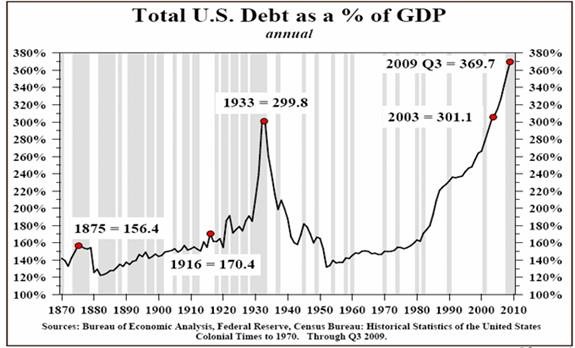
- Sovereign debt
- Investment strategy
- Final Exam on Wed May 6
- Complete a Course Evaluation
- Connect on LinkedIn
Presentation:
- Format:
- Similar to midterms
- Short essay questions
- Map component
- Review Topics:
- Module 1
- Theories of Economic Disparity
- Jared Diamond – Guns, Germs and Steel
- Niall Ferguson – Six Killer Apps
- Maritime vs Continental
- Middle East
- Oil and Conflict – a brief history
- Iran vs. Saudi Arabia
- Europe
- WWII + post-war order
- 60M+ casualties
- Powers left standing: US and USSR
- Marshall Plan to rebuild Europe
- Strength of Small/Midsize Family Owned Manufacturing Companies in Germany
- European Union
- Sovereign Debt Crisis
- Syrian/Mideast Refugee Crisis
- Greece bailout
- Brexit
- War in Ukraine
- WWII + post-war order
- Russia
- Reliance on Oil & Gas
- Oligarchy
- Autocracy under Putin
- War in Ukraine
- 2014 Annexation of Crimea
- 2022 Invasion
- Current stalemate with Russia occupying Eastern and Southern regions
- US and Europe
- China
- Why Putin Still Prefers War
- Module 2
- Asian Century
- TPP
- US-China Trade War
- Major Economies
- India
- Population growth
- Economic prospects and challenges
- Offshoring
- Infrastructure
- China
- 20th Century (1949-)
- Dramatic Rise (past 30 years)
- “Commonwealth” economies – Asian Tigers
- Japan
- Natural disasters – 2011 Earthquake and Tsunami
- Lost decades
- Advanced civilization
- India
- Module 3
- Mining in South America
- Migration from Central America
- Nicaragua
- Somoza family dictatorship (U.S.-backed, 1930s–1979)
- Sandinista revolution (1979) overthrows Somoza
- U.S.-backed Contras vs. Sandinista government (1980s civil war)
- Iran–Contra Affair (covert U.S. funding of Contras)
- Daniel Ortega returns to power (2007–present)
- Rosario Murillo, wife of Daniel Ortega and Vice President
- Migration networks established in Costa Rica and the US
- El Salvador
- Civil war (1980–1992): government vs. leftist insurgents (FMLN)
- U.S. supports right-wing government to prevent communism
- Human rights abuses by military and death squads
- Assassination of Óscar Romero (1980)
- Murder of 4 American churchwomen (1980)
- El Mozote massacre (1981) (~800+ civilians killed)
- Large-scale refugee migration to the U.S., networks established
- Guatemala
- 1954 U.S.-backed coup removes President Jacobo Árbenz
- Civil war (1960–1996): government vs. insurgents
- Extreme violence against indigenous populations
- Genocide in early 1980s (military rule)
- Rigoberta Menchú raises global awareness
- Mass displacement and migration, networks established in the U.S.
- Takeaways
- Cold War proxy conflicts → weak institutions → long-term instability
- Violence in the 1980s → migration to the United States
- Weak institutions and violence increases “push” to leave Central America
- Migration networks established increases “pull” to the US.
- Hydropower
- Amazon Basin
- Belo Monte (Brazil)
- Damocracy video
- What are the tradeoffs?
- Growing economies need energy
- Dams destroy ecosystems, local communities, markets
- Dams (and other major construction projects) are a prime opportunities for corruption
- Amazon Basin
- NAFTA
- The North America Free Trade Agreement
- Signed in 1992 by George H.W. Bush
- Went into effect in 1994
- Winners
- Broad-based economic growth
- Avocado industry
- Corporate cost cutting
- Drug Cartels
- Who did it hurt?
- US communities reliant on manufacturing jobs
- Concentrated in specific regions
- USMCA = NAFTA 2.0
- United States Mexico Canada Agreement
- Signed by Donald Trump in 2018
- Went into effect in 2020
- Similar to NAFTA but with key improvements
- Auto manufacturing
- Labor standards
- Reviewed every 6 years – first in July 2026
- United States Mexico Canada Agreement
- The North America Free Trade Agreement
- Geography of Cocaine
- Coca cultivation
- Cocaine Industry established by Pablo Escobar and the Medellin Cartel in Colombia
- Demand skyrockets and distribution scales
- Colombia crackdown and established distribution network rebalances power structure
- Power and money gradually shift from Colombia to Mexico
- Module 4
- Sovereign Debt
- Corruption Perception Index
- Investing in the 2020s Global Economy
Assignment:
- Take last year’s exam
- Study for the final exam